

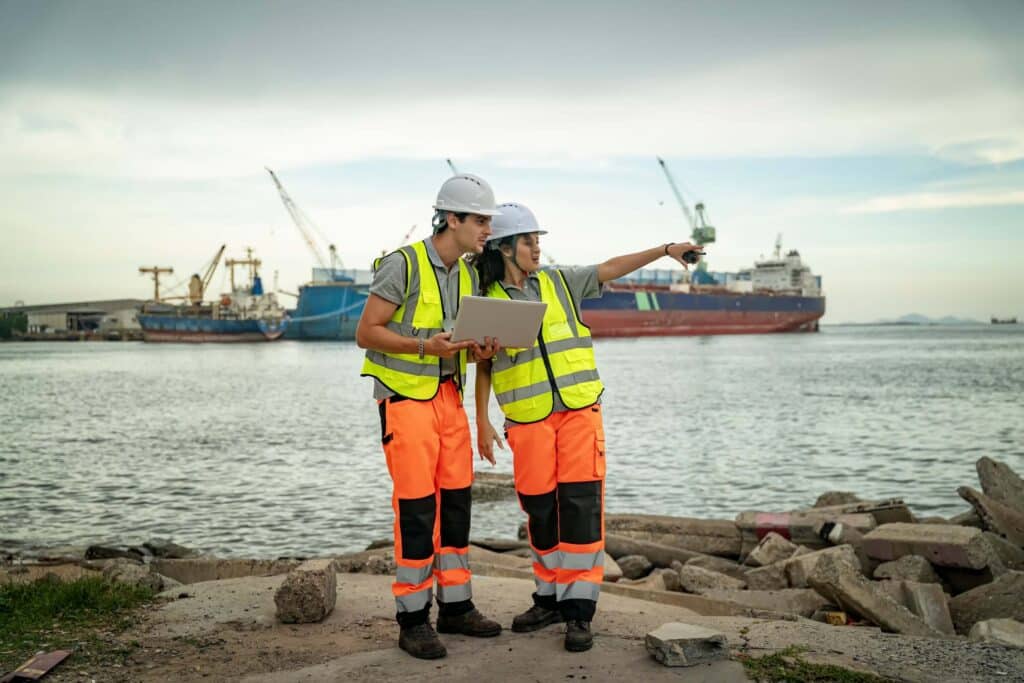
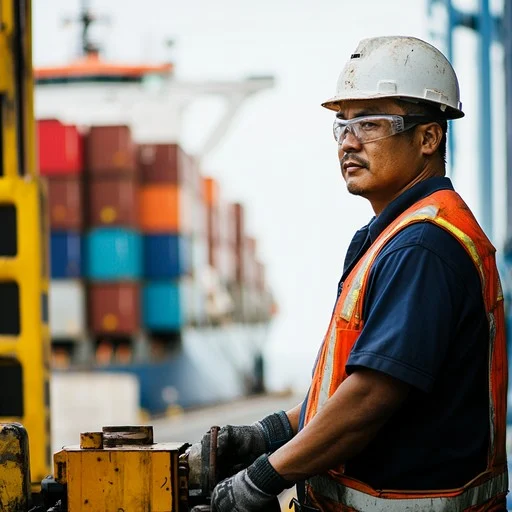
Europe is building offshore wind capacity at a pace the industry has never seen. Dogger Bank alone will be the world’s largest offshore wind farm at 3.6 GW. Norway has licensed 30 GW of seabed by 2040. Germany needs 350,000 additional skilled workers for its Energiewende by 2030. Sweden’s green industrialisation corridor — anchored by Stegra’s multi-billion euro green steel plant in Boden — is creating demand that the local labour market simply cannot meet alone.
The problem is not ambition. The problem is not capital. The problem is people.
Specifically, it is certified, experienced people. Offshore wind foundations require ISO-certified welders. Installation vessels require officers with specialised dynamic positioning and heavy-lift certification. Hydrogen electrolysis facilities require instrument technicians and commissioning engineers who have worked in pressurised industrial environments. These are not skills that can be developed in a classroom in six months. They are built over years of hands-on project work — and the people who have them are, right now, largely deployed in traditional oil and gas.
What the industry has not fully reckoned with is that the certified welders, riggers, and mechanical technicians needed to build this green infrastructure are the same people currently keeping the legacy energy economy running. The transition requires not just new projects and new investment — it requires active, structured workforce migration from one sector to the other.
Research confirms that 90% of oil and gas worker skills transfer directly to offshore wind, with even higher overlap for floating offshore applications. The transition is technically achievable. What it requires is a workforce partner with a foot in both worlds — one that can identify which contractors are ready to cross over, which certifications need supplementing, and how to move those people into new project environments without disrupting the legacy operations that still pay the bills today.
QW Group has been building this bridge for years. Our energy division serves both traditional O&G clients and the growing pipeline of green infrastructure projects — often drawing on the same highly transferable contractor pools. The workforce gap is real, it is urgent, and the window to address it proactively is narrowing. The solution already exists. The question is whether operators will engage with it before the shortage becomes a crisis.